Last updated: August 2026
I am Rachel Williams, a Real Estate Advisor with The Premier Group at Compass, the #1 real estate team in Delray Beach, Florida by sales volume. In 2025, our team closed more than 550 transactions and over $475 million in sales across South Florida, ranking us in the top 1 percent of agents nationwide. Every week I sit with buyers who are moving down from New York, New Jersey, or Massachusetts. Same questions come up every time. Here are the honest answers.
Moving to Delray Beach from up north is a bigger change than most people expect. Not because the house is different. That part you can picture. It is everything around the house. The taxes, the insurance, the weather, the rhythm of a Tuesday morning. Here is what really changes, and what most people wish they had known before they packed the truck.
1. Your Income Tax Disappears
Florida has no state income tax. None. If you moved here from New York or New Jersey, that alone can save you tens of thousands of dollars a year, depending on what you earn. It applies to wages, retirement income, pensions, and money you make from investments. This is the single biggest reason most of my northeast buyers cross the finish line and actually move, not just think about it.Of course, income tax is only one part of the financial equation. I break down housing, property taxes, insurance, HOA fees, and everyday expenses in The Real Cost of Living in Delray Beach, Florida (2026 Local Buyer's Guide).
The catch. To claim Florida as your home state for tax purposes, you have to actually live here for the majority of the year and file the right paperwork. Your accountant should walk you through the residency rules so you do not end up owing taxes in two states.
2. Your Property Tax Bill is Different, Not Necessarily Lower

This is where people are surprised. In Palm Beach County, the property tax on a home runs somewhere between one percent and two percent of the assessed value each year, once you add up county, city, and school portions. That is not always cheaper than a suburban New Jersey bill, but there is a big Florida advantage waiting for you.
It is called the Homestead Exemption. If the Delray Beach home is your primary residence, you can knock roughly fifty thousand dollars off your taxable value and cap your annual increases at three percent per year, no matter how much the house appreciates. That cap is called Save Our Homes, and it is one of the best financial protections in American real estate. You have to file by March 1 and live here on January 1 of the year you file.
3. Homeowners Insurance Is a Real Line Item
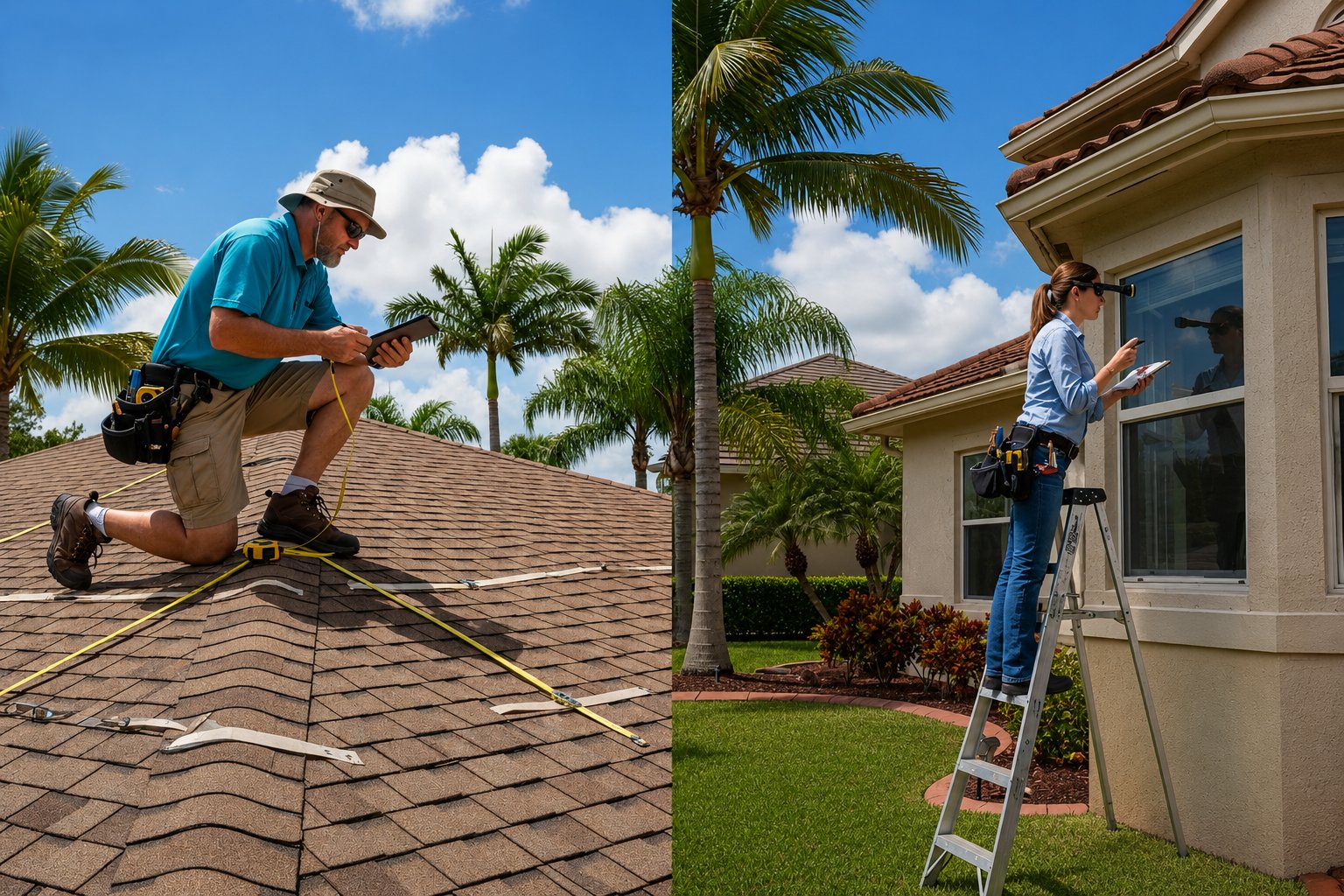
This is the change people ignore until they see the quote. In South Florida, homeowners insurance for a single family home in Delray Beach can run anywhere from four thousand to seven thousand dollars a year, sometimes higher for coastal or older homes. The good news is that the market is finally competitive again. As of 2026, about 25 private insurance companies are writing new policies in Florida, and rates on most policies are actually going down for the first time in years.
Two practical tips. First, get an insurance quote on any home you are seriously considering, before you write the offer, not after. Second, ask for the wind mitigation report. If the home has hurricane straps, impact windows, or a newer roof, you can qualify for major insurance credits that materially lower your premium.
4. Hurricane Season Real, But Not What You Might Think
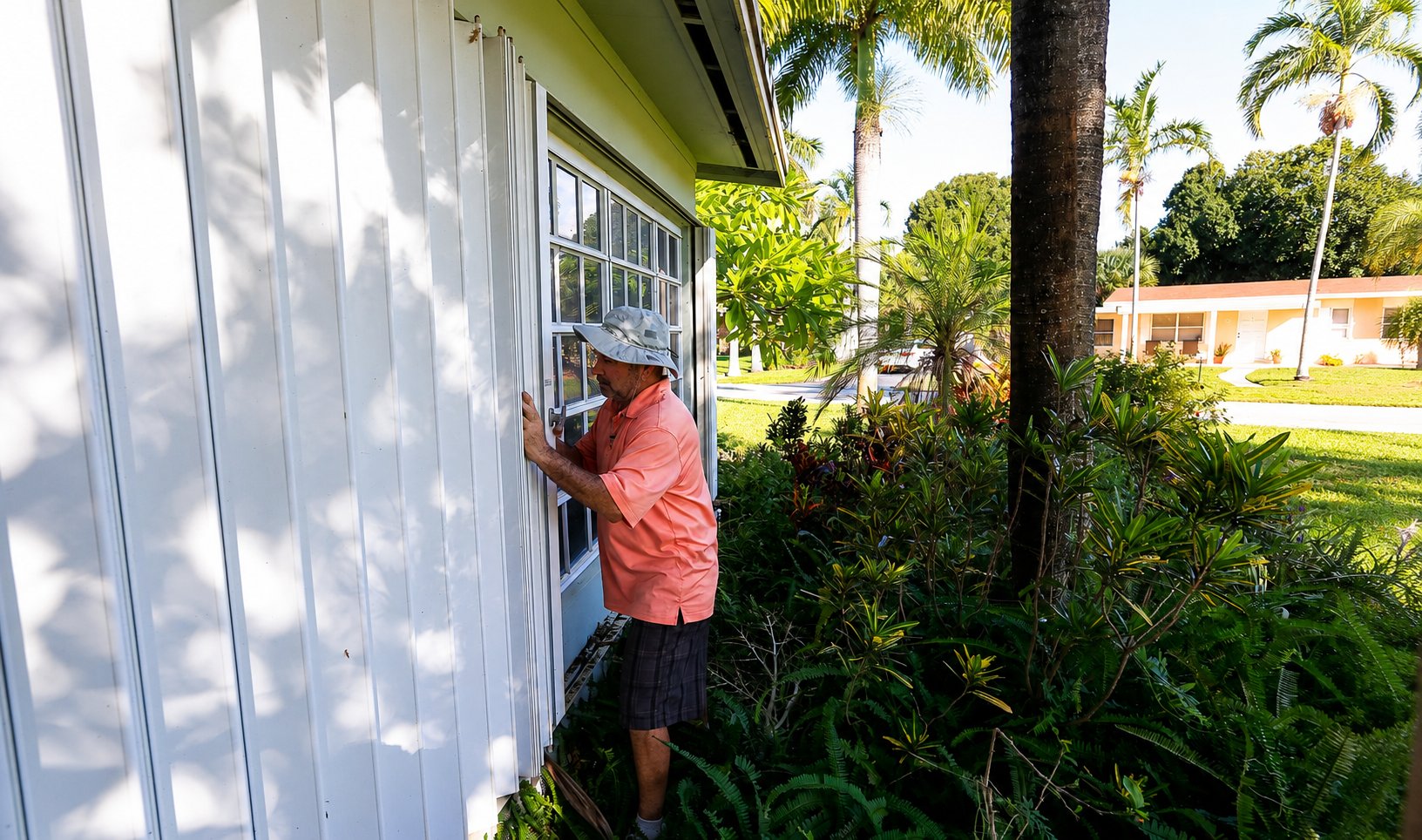
Hurricane season runs June 1 through November 30 every year. Most seasons pass with no direct impact on Delray Beach. The last major hurricane to hit the area directly was Wilma in 2005. We have taken glancing blows since then, and coastal properties always carry more wind and flood risk. But if you plan for it the way you would plan for a snow storm up north, you can live comfortably here for decades.
Planning ahead means impact windows or shutters on the home, flood insurance if you are anywhere near the water, and a simple hurricane plan. It becomes a rhythm, not a fear.
5. The Rhythm Of the Year Is Different

In New York, the year feels shaped by winter and summer. Down here, it is shaped by season and off-season. From November through April, Delray Beach fills up with snowbirds and visitors. Restaurants take longer to seat you. Atlantic Avenue is busy every night. From May through October, the town relaxes, prices on everything from restaurants to services get better, and locals reclaim their favorite spots. That seasonal shift also affects the real estate and rental market, which I break down further in Seasonal Property in Delray Beach: What Every Buyer Gets WRONG About Rental Income.
This matters when you time your move. Buying in the summer often means better negotiating leverage. Moving in the winter often means better weather during the move, but higher demand for movers, contractors, and rentals.
6. What Nobody Tell You

The little things add up. You will need renters insurance and homeowners insurance arranged before closing. You will need a Florida driver's license within 30 days of moving. Your car insurance rates will change (often up, sometimes down). Your monthly electric bill will spike in the summer for the air conditioning and drop in the winter. The sun is stronger. The rain is heavier and shorter. And you will use your patio more than you use any room in the house. Those little day-to-day differences are a big part of deciding whether South Florida actually fits you, which is why I break down more of the reality in Is Delray Beach, Florida a Good Place to Live?
Moving from New York or New Jersey to Delray Beach is one of the best financial decisions many of my clients have ever made, but it works best when the move is planned, not improvised. Understand the tax picture, get real insurance quotes early, pick a neighborhood that matches how you actually want to live, and give yourself time. If you are thinking about the move and want the honest read on any specific building, neighborhood, or price range, reach out. I do this every week.