I am Rachel Williams, a Real Estate Advisor with The Premier Group at Compass, the #1 real estate team in Delray Beach, Florida by sales volume. In 2025, our team closed more than 550 transactions and over $475 million in sales across South Florida, ranking us in the top 1 percent of agents nationwide. Homeowners insurance is one of the two biggest surprises for buyers moving to Florida (property taxes are the other). Here are the real numbers as of September 2026, by region, so you can plan accurately before you write an offer.
Florida homeowners insurance in 2026 does not have one price. It has a price for your specific region, your specific roof age, your specific dwelling coverage amount, and your specific wind mitigation profile. The gap between a Central Florida inland policy and a coastal Palm Beach or Broward policy is often two to three times, on the exact same size home.
Here are the real numbers as of September 2026, pulled from Citizens Property Insurance rate filings, Florida Office of Insurance Regulation data, and current private carrier averages.
THE STATEWIDE PICTURE
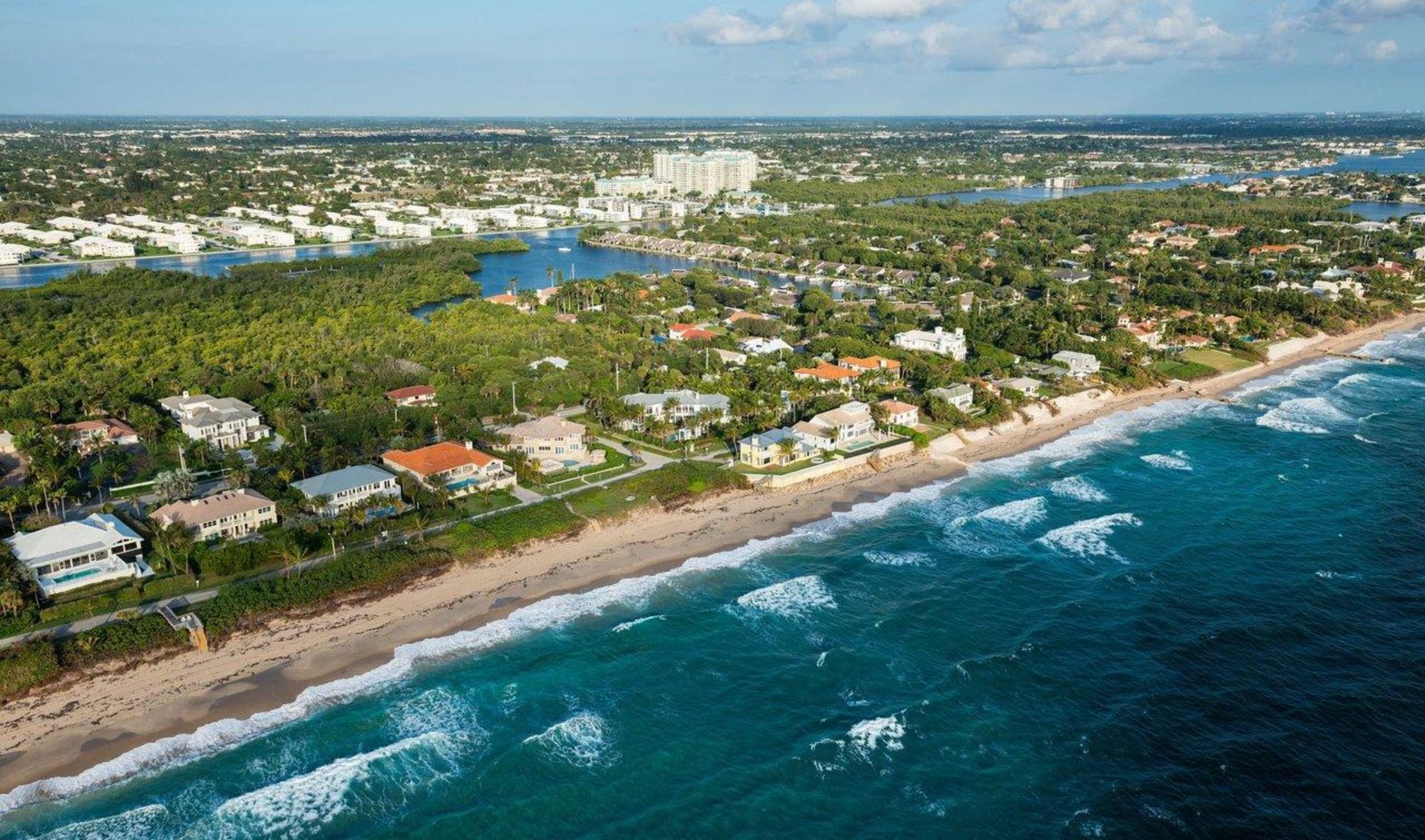
Florida average annual homeowners insurance premium in 2026:
- State average: approximately $3,240 to $4,500 per year
- Coastal South Florida homes: $5,830 to $7,290 or higher
The state average number hides the regional split. Actual pricing across Florida in 2026 looks more like this:
- Inland North and Central Florida counties: $4,000 to $6,500 per year
- I-4 corridor and Gulf coast: $6,500 to $10,000 per year
- South Florida and the Keys: $11,000+ per year
- Palm Beach County average: $5,000 to $8,000 per year (higher for coastal properties)
Source: Florida Office of Insurance Regulation rate filings, Insurance Information Institute, MoneyGeek Florida 2026 data. If you are looking specifically at Delray Beach, I break down what has changed locally and what buyers should know in Delray Beach Home Insurance Just Dropped in 2026: What Lower Premiums Mean for Buyers This Year.
PALM BEACH COUNTY SPECIFICS
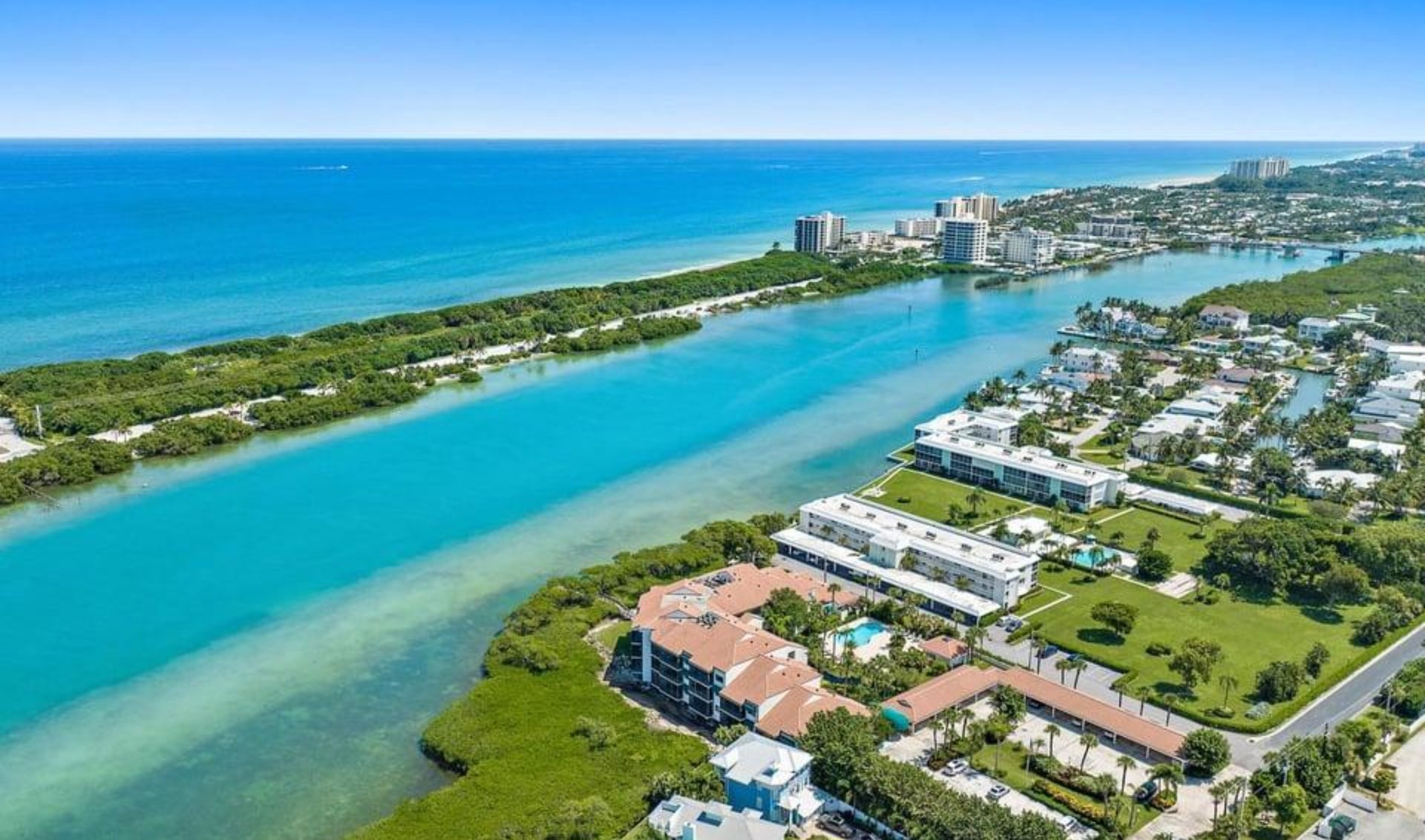
Palm Beach County is one of the higher-priced insurance markets in the state, but not the most expensive. That title belongs to Miami-Dade and the Keys.
Palm Beach County averages in 2026:
- Overall Palm Beach County average: $5,000 to $8,000 per year
- West Palm Beach average for $300,000 dwelling coverage with $1,000 deductible: approximately $14,388 per year
- Coastal Boca Raton hurricane-exposed homes: approximately $14,520 per year on average
The variance between these numbers is not an error. It reflects the difference between:
- A modest inland home with lower dwelling coverage
- A coastal home in a hurricane-exposed area with higher dwelling coverage and standard deductibles. If you are considering buying in this area, insurance is one of the costs I recommend factoring in before you even start comparing homes. I talk more about the overall cost of buying and living here in my video Living in Delray Beach Florida: The Pros & Cons Nobody Talks About.
Source: Insurify, Living in Palm Beach County FL
WHAT THIS ACTUALLY MEANS FOR A BUYER
When you get an insurance quote on a specific Palm Beach County or Broward County home in 2026, expect a number in one of these bands, depending on the property:
- Small inland home, older roof, higher deductible: closer to the $3,000 to $5,000 range
- Median Palm Beach single family home in an average location: $5,000 to $8,000 range
- Coastal home with high dwelling value and standard deductible: $10,000 to $15,000+
- Oceanfront or coastal high-rise condo: highest tier, often above $15,000
Do not budget from the state average. Budget from a quote on the actual property you are considering. Insurance is just one piece of what you should understand before making an offer. In my video What to Expect When Buying a Home | Step-by-Step Home Buying Process Explained, I walk through the buying process so you know what to expect before you get to closing.
CITIZENS PROPERTY INSURANCE UPDATE ( 2026)
Citizens is Florida's state-backed insurer of last resort. In 2026, they filed a rare rate reduction:
- Statewide multiperil rate change: down 8.7 percent
- Broward and Miami-Dade rate change: down 14 percent
- Palm Beach and Monroe rate change: down 11 to 12 percent
This is the first meaningful Citizens rate reduction in several years, and it reflects two things: the post-tort-reform stabilization of the Florida insurance market, and Citizens moving roughly 600,000 policies back to private carriers between 2024 and 2026.
For buyers, this means Citizens is a viable option again in more zip codes than it was two years ago, and private carriers are also writing again in areas they had exited.
Source: Citizens Property Insurance 2026 rate filings
THE PRIVATE MARKET IS COMPETITIVE AGAIN
As of 2026, approximately 25 private insurance companies are writing new policies in Florida. That is a meaningful shift from 2023, when many carriers had stopped writing or had exited the state.
Practical implication for buyers: get multiple quotes. Two years ago, buyers often had one or two options. In 2026, most Palm Beach County properties can be quoted by four to eight different carriers. Rates between carriers on the same home can vary by 30 to 50 percent.
FIVE THINGS THAT MOVE YOUR SPECIFIC PREMIUM
1. Roof age. This is now the single largest rating factor, ahead of square footage and claims history. A roof over 15 years old often triggers a surcharge or a coverage restriction.
2. Wind mitigation. A wind mitigation inspection can cut 15 to 45 percent off the wind portion of your premium. If the home has hurricane straps, impact windows, and a newer roof, ask for the credits.
3. Dwelling coverage amount. Your policy limit tracks your rebuild cost, not your purchase price. A $2 million home in Delray Beach might rebuild for $1.4 million and be insured for that amount.
4. Deductible level. Standard is 2 percent of dwelling coverage for hurricane. Raising it to 5 percent can lower the premium 15 to 25 percent (but increases your out-of-pocket in a claim).
5. Coastal vs inland location within Palm Beach County. A coastal Delray Beach or Boca Raton home will cost roughly two to three times what a similarly-sized inland Palm Beach County home costs.
THREE PRACTICAL STEPS BEFORE YOU BUY
1. Get an insurance quote on any home you are seriously considering, before you write the offer. Not after. If the number is $9,000 more than you expected, that materially changes your total monthly cost.
2. Ask the seller or listing agent for the current insurance policy and the wind mitigation report. If a policy is not renewable or the wind mitigation report is more than 5 years old, that is worth knowing before you offer.
3. If you are financing, share the insurance quote with your lender when getting your final loan estimate. Escrowed insurance is part of your monthly PITI payment and shows up in your debt-to-income ratio calculation.
Florida homeowners insurance in 2026 is expensive relative to national averages but stabilizing after several difficult years. Palm Beach County averages fall between $5,000 and $8,000 per year for most homes, with coastal and high-value properties running two to three times higher. Citizens Insurance filed its first meaningful rate cut in years, and about 25 private carriers are actively writing new policies. The single most important step is getting a real quote on your specific property before you write an offer, not budgeting from the state average.
FREQUENTLY ASKED QUESTIONS
Q1: How much does homeowners insurance cost in Florida in 2026?
A: The Florida state average is approximately $3,240 to $4,500 per year. Regional averages are higher: inland North and Central Florida runs $4,000 to $6,500, the I-4 corridor and Gulf coast runs $6,500 to $10,000, and South Florida and the Keys runs $11,000 or more. Palm Beach County averages $5,000 to $8,000 for most homes.
Q2: How much is homeowners insurance in Palm Beach County?
A: Palm Beach County homeowners insurance averages $5,000 to $8,000 per year in 2026 for most single family homes, with coastal and high-value homes running significantly higher. West Palm Beach averages approximately $14,388 per year for a policy with $300,000 dwelling coverage and a $1,000 deductible. Coastal Boca Raton averages approximately $14,520 per year.
Q3: Did Citizens Property Insurance lower rates in 2026?
A: Yes. Citizens filed its first meaningful rate reduction in several years, effective 2026: statewide multiperil rate down 8.7 percent, Broward and Miami-Dade down 14 percent, Palm Beach and Monroe down 11 to 12 percent. Citizens has also moved roughly 600,000 policies back to private carriers between 2024 and 2026.
Q4: How many private insurance companies are writing homeowners policies in Florida in 2026?
A: Approximately 25 private insurance companies are actively writing new homeowners policies in Florida as of 2026, a significant increase from the low point in 2023 when many carriers had stopped writing or exited the state.
Q5: What is the single biggest factor in a Florida homeowners insurance premium?
A: Roof age is currently the single largest rating factor for Florida homeowners insurance in 2026, ahead of square footage and claims history. A roof over 15 years old often triggers a surcharge or coverage restriction.
Q6: How much can wind mitigation credits save on Florida homeowners insurance?
A: A wind mitigation inspection can reduce the wind portion of a Florida homeowners insurance premium by 15 to 45 percent. Credits are given for hurricane straps, impact windows, secondary water resistance, and a newer roof. All Florida homeowners should have a wind mitigation report done every 5 years.